
sourdough discard focaccia recipe

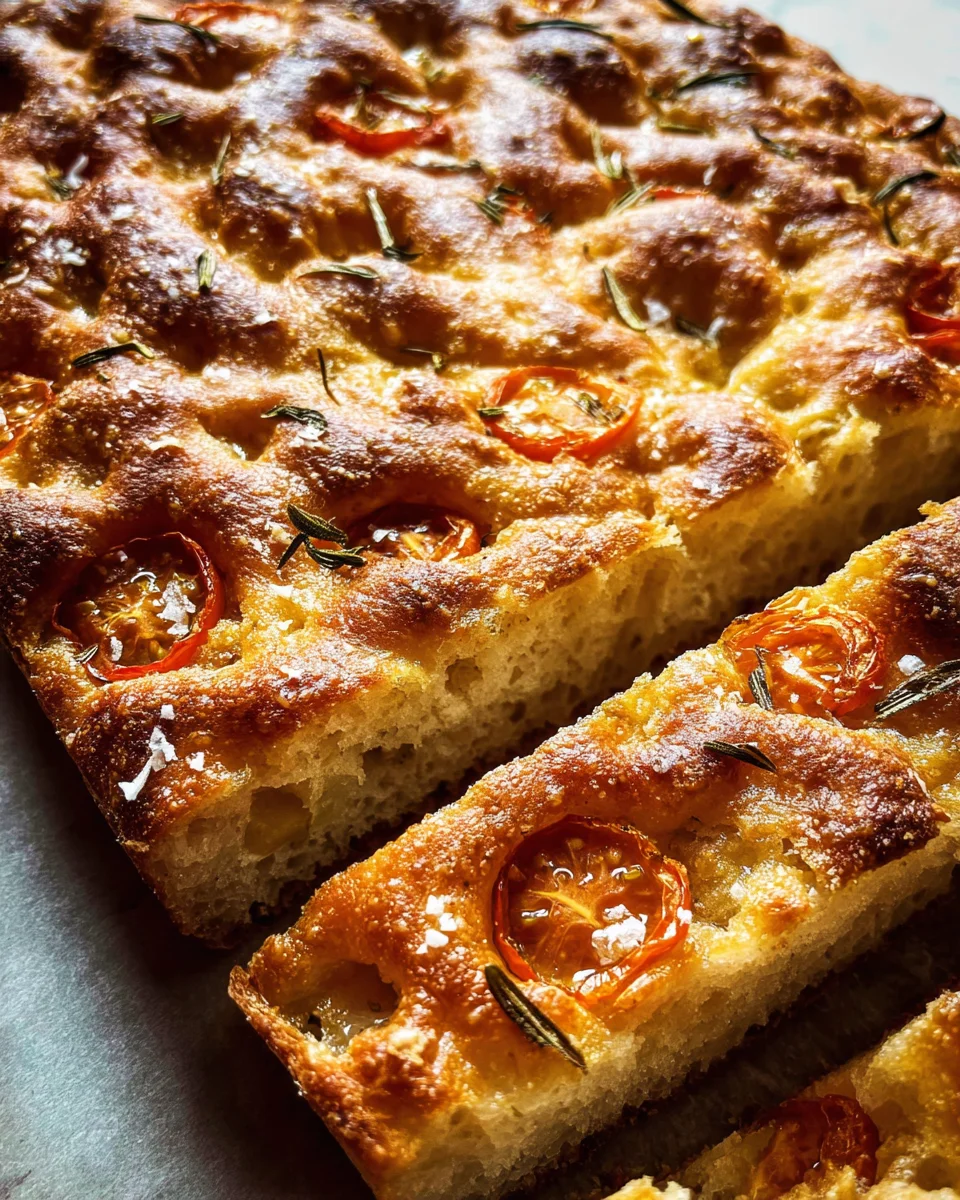
The Best sourdough discard focaccia recipe
What I love most about this recipe is how forgiving it is. You don’t need perfect timing or fancy techniques—just a little patience and a willingness to let the dough do its thing. The discard gives it a subtle tang that balances the olive oil and salt so well, and the crust gets this beautiful crunch while the inside stays soft and airy. Plus, it’s a great way to use up discard without any waste, and since it’s naturally leavened, it’s easier on digestion than commercial yeast breads. We top ours with everything from rosemary and sea salt to cherry tomatoes and garlic, but it’s just as good plain with a drizzle of good olive oil. It’s the kind of bread that makes you feel like you’ve got your act together, even on the busiest days.
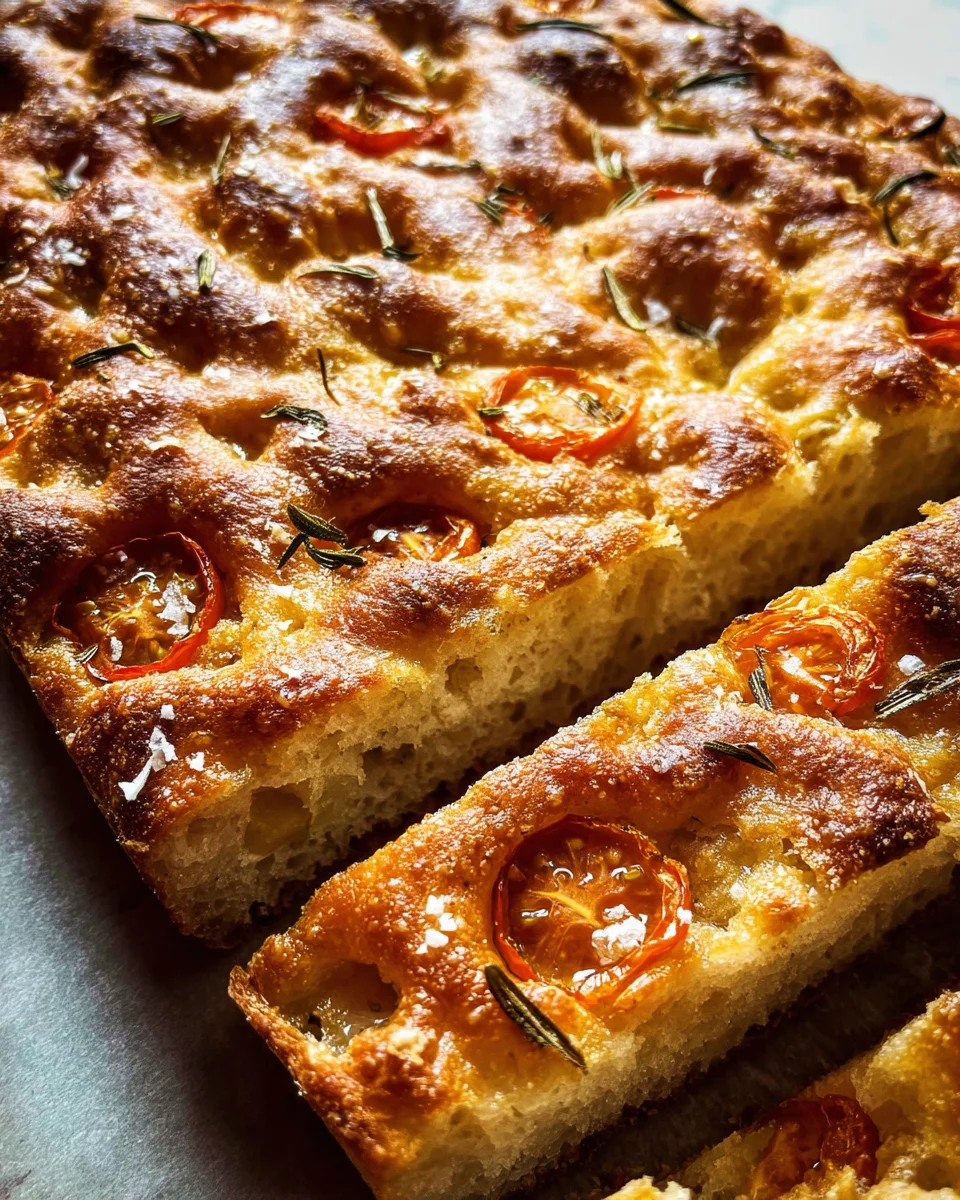
Sourdough Discard Focaccia
A fluffy, flavorful Italian flatbread made with sourdough discard for a tangy twist. Topped with olive oil, herbs, and flaky salt, this focaccia is perfect as an appetizer or side dish.
🥘Ingredients
- 1 cup (240g) active sourdough discard (100% hydration)
- 2 cups (250g) all-purpose flour
- 1 tsp salt
- 1 tsp instant yeast (optional, for extra rise)
- 3/4 cup (180ml) warm water
- 2 tbsp olive oil (plus extra for drizzling)
- 3 tbsp olive oil (for dimpling)
- 1 tsp flaky sea salt
- 1 tbsp fresh rosemary (or thyme, oregano)
- 2 cloves garlic, thinly sliced (optional)
- Cherry tomatoes, halved (optional)
👨🍳Directions
-
1
In a large mixing bowl, combine the sourdough discard, flour, salt, and instant yeast (if using). Mix until a shaggy dough forms. -
2
Add the warm water and olive oil, then stir until fully incorporated. The dough will be sticky but should pull away from the sides of the bowl. -
3
Cover the bowl with plastic wrap or a damp towel and let rest at room temperature for 1–2 hours, or until slightly puffy. For best results, refrigerate overnight (8–12 hours) for a slower rise and deeper flavor. -
4
Preheat the oven to 425°F (220°C). Grease a 9×13-inch baking pan with 1 tbsp olive oil. -
5
Transfer the dough to the prepared pan. Using oiled hands, gently stretch and dimple the dough to fit the pan, creating pockets for the oil. Drizzle 2 tbsp olive oil over the top and let rest for 20–30 minutes. -
6
Press your fingers deeply into the dough to create dimples. Drizzle the remaining 1 tbsp olive oil over the top, then sprinkle with flaky salt, herbs, and optional garlic or tomatoes. -
7
Bake for 20–25 minutes, or until golden brown and crisp on the edges. If the top browns too quickly, tent with foil. -
8
Remove from the oven and let cool slightly before slicing. Serve warm or at room temperature.
🔧Equipment
- Large mixing bowl
- 9×13-inch baking pan or sheet tray
- Plastic wrap or damp towel
- Measuring cups and spoons
- Oven
📊Nutrition Facts (per serving)
📝Notes
Watch Video Of How Sourdough Discard Focaccia Works
❓ Frequently Asked Questions About Sourdough Discard Focaccia
1. Can I use sourdough discard straight from the fridge, or does it need to be at room temperature?
Yes, you can use sourdough discard straight from the fridge—no need to bring it to room temperature first. Cold discard works well in focaccia, though it may slightly slow down fermentation. If you prefer a faster rise, let the discard sit at room temperature for 30–60 minutes before mixing.
2. How long should I let the focaccia dough ferment, and what should I look for?
Ferment the dough at room temperature for 4–12 hours, depending on your schedule and kitchen warmth. For a shorter ferment (4–6 hours), let it rise until doubled in size with visible bubbles. For a longer ferment (8–12 hours), place it in the fridge after 2–3 hours of room-temperature bulk fermentation, then finish rising the next day. The dough should be puffy, jiggly, and domed when ready.
3. Do I need to adjust the hydration if my sourdough discard is very thick or runny?
Yes! If your discard is thick (like stiff starter), reduce the water in the recipe by 10–20g to compensate. If it’s very runny (like pancake batter), add 10–20g of flour to balance the hydration. The ideal dough should be sticky but manageable—similar to a thick batter. Adjust as needed during mixing.
4. Can I add toppings like rosemary, olives, or cheese, and when should I add them?
Absolutely! Classic toppings like rosemary, flaky salt, olives, cherry tomatoes, or cheese work wonderfully. Add toppings after dimpling the dough (before the final proof) to prevent them from sinking. For cheese, sprinkle it on after baking (e.g., Parmesan) or during the last 5 minutes (e.g., mozzarella) to avoid burning.
5. My focaccia turned out dense—what went wrong, and how can I fix it?
Dense focaccia usually results from underproofing, weak starter, or over-flouring. Here’s how to troubleshoot:
– Underproofed? Let it rise longer next time—aim for a visibly puffy, jiggly dough.
– Weak starter? Ensure your discard is active (it should float in water). Feed it 4–12 hours before using.
– Over-floured? Focaccia dough should be sticky; avoid adding extra flour unless absolutely necessary.
– Oven too cool? Bake at 425°F (220°C) or higher for a light, airy crumb. A preheated baking sheet or stone helps too.